

How to Boost Your Online Presence: 20 Proven Strategies
If your business is already online but not getting the visibility or enquiries you want, the answer is rarely one big change;…

Your website is often the first thing a potential customer sees, and first impressions form in seconds. A site that felt modern a few years ago can quietly start working against you, costing enquiries without any obvious sign that anything is wrong. A redesign is not about chasing trends; it is about making sure your website still earns trust, works on every device and turns visitors into customers. Here are the clearest signs it is time for a refresh.
Design expectations move quickly. Cramped layouts, small text, dated stock photos and styling that simply looks like it belongs to an earlier era all send a subtle message that your business may be behind the times. Visitors rarely articulate this; they just feel less confident and click away to a competitor whose site looks current. If your site looks noticeably older than the businesses you compete with, a redesign can level the playing field and restore the credibility you have earned offline.
Most people will visit your site on a phone, often while they are out and ready to act. If they have to pinch, zoom or scroll sideways, or if buttons are too small to tap, they leave. Older sites were frequently built for desktop first and never properly adapted. A modern redesign is built mobile-first, so the experience is effortless on a small screen and your phone number and enquiry form are always within easy reach.
Speed shapes both rankings and conversions. Visitors abandon slow pages within seconds, and search engines factor loading time into where you appear in results. Older sites often accumulate heavy images, outdated code and unnecessary plugins that drag performance down. If your site feels sluggish, a redesign built on clean, optimised foundations can dramatically improve load times and keep people moving toward an enquiry rather than bouncing to a faster rival.
The ultimate job of your website is to bring in business. If traffic arrives but enquiries do not follow, the problem is usually structural: unclear messaging, confusing navigation, weak calls to action or no obvious next step. A redesign focused on conversion rethinks the journey from landing on a page to making contact, so visitors always know what you offer and how to take the next step. A prettier site that still does not convert is a missed opportunity.
Businesses evolve. You may have added services, changed your focus, refined your pricing or shifted the kind of customer you want to attract. If your website still describes the business you were three years ago, it is quietly misrepresenting you and attracting the wrong enquiries. A redesign is a chance to realign your site with where your business is today and where you want it to go.
If making a simple change means wrestling with the site or calling for help every time, you will naturally avoid updating it, and a stale website slowly loses ground. Older builds can also be harder to keep secure. A modern redesign on a flexible, well-structured platform makes everyday updates simple and keeps your site easier to maintain, so it stays current, secure and genuinely useful for years rather than becoming a chore you dread touching.
A common fear is that redesigning a website will undo years of search visibility. It is a valid concern, because a careless redesign can lose rankings, but a careful one protects and often improves them. The key is to preserve the things search engines value: keep your existing page addresses or set up proper redirects, retain the content that already performs well, and improve speed, structure and mobile experience along the way. Done properly, a redesign is an opportunity to strengthen your SEO foundations rather than a risk to them, because the same improvements that help visitors also help you rank.
A successful redesign starts with understanding, not decoration. It begins by clarifying who your customers are, what they need from your site and where the current version falls short. From there comes a clear structure, plain and persuasive content, and a design built mobile-first with accessibility and speed in mind. Before launch, everything is tested across devices, forms are checked, and redirects are mapped so nothing breaks. After launch, the site is monitored and refined based on real visitor behaviour. This considered process is what separates a redesign that delivers results from one that simply looks different.
If your website is actively costing you enquiries, embarrassing you next to competitors or holding back your growth, the cost of a redesign is usually far smaller than the cost of leaving it. A useful way to decide is to weigh what a single new customer is worth against the investment: for most businesses, a website that wins even a handful of extra enquiries pays for itself many times over. When your site is working against the business you have become, redesigning it is rarely an expense and almost always an investment.
Keep reading
Other pieces on the same sort of problem, written out of the work we do for Australian businesses.
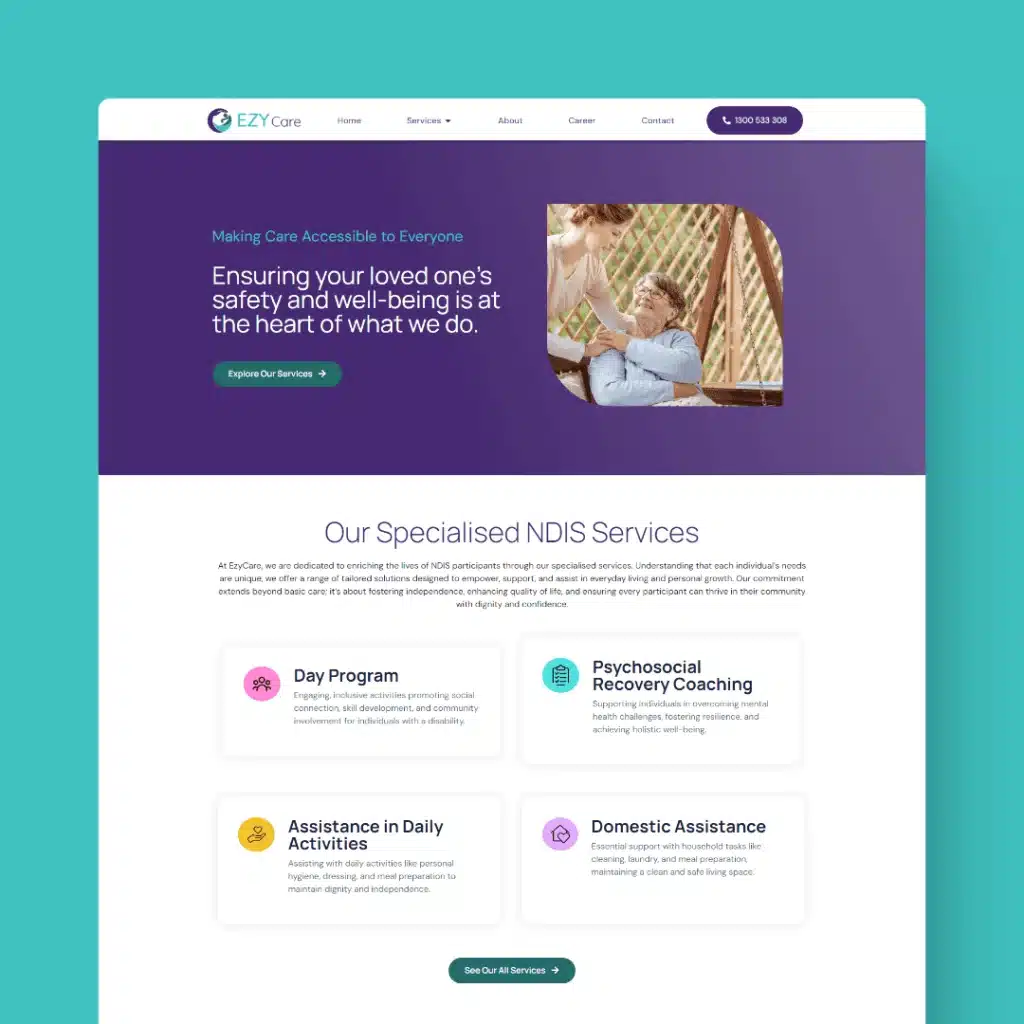
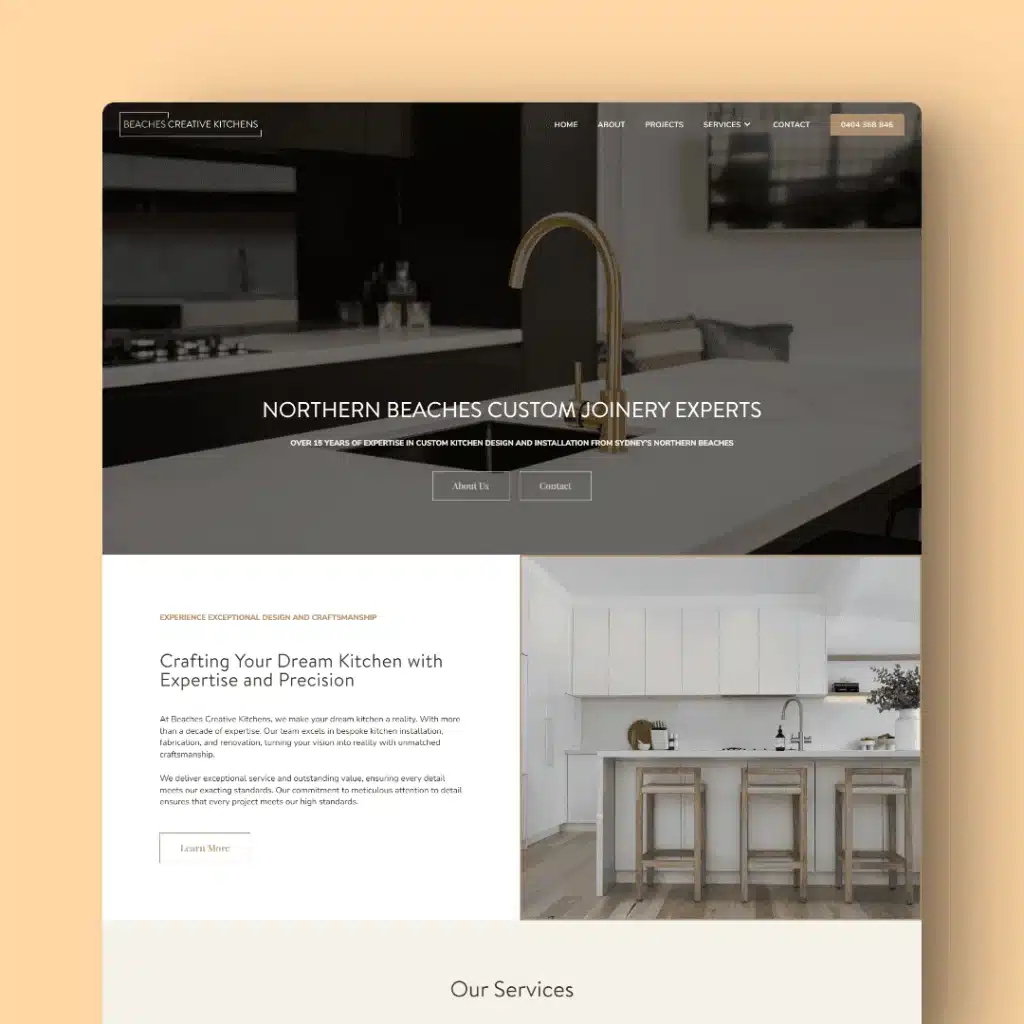
Send us your website and we will come back with the specific things we would change and why, in plain English. No pitch deck, no obligation, and you keep the notes either way.
Rated 5.0 from 100+ Google reviews. No lock in contracts, ever.