

Web Services for Pest Control Business: Unlocking Online Success
Pest control is a competitive, urgent-need business: when someone has a problem, they search, they compare a couple of options, and they…
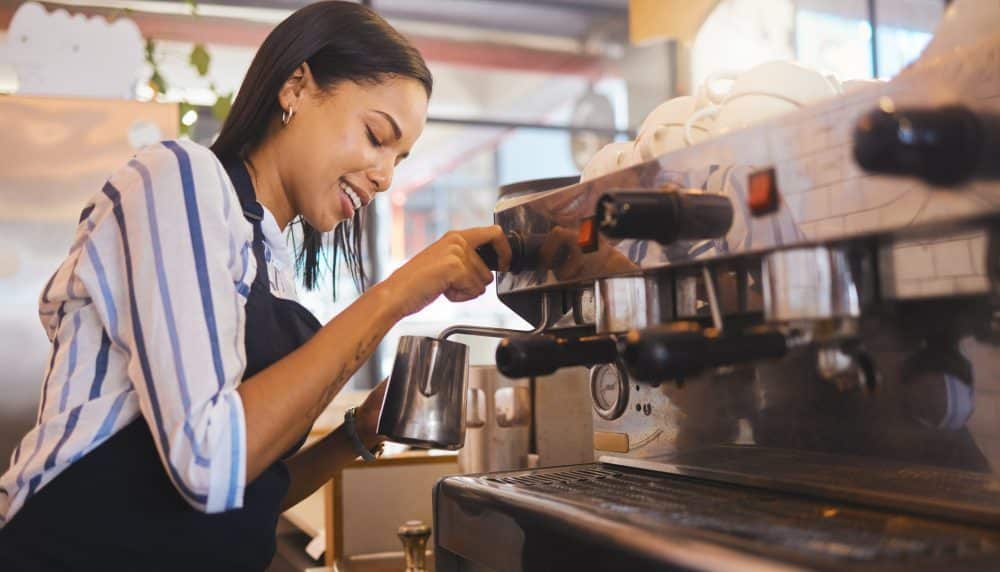
In hospitality, your website is part of the welcome. Before a guest books a table, a room or an event, they almost always visit your website to judge whether your venue is right for them. A great hospitality website conveys atmosphere, makes booking effortless and turns browsers into bookings, while a weak one sends hungry, ready-to-spend customers straight to a competitor. Whether you run a cafe, restaurant, bar or accommodation, here is why a strong website matters so much in hospitality.
Diners and travellers research before they commit. They look at your menu, your photos, your reviews and your location to decide whether your venue suits the occasion. If your website is missing, outdated or hard to use, that decision often goes against you. A strong website ensures that when guests look you up, they find an inviting, professional presence that makes them want to book, rather than a frustrating experience that sends them elsewhere.
Hospitality is about experience and atmosphere, and your website is the first taste of it. Beautiful, genuine photography, an inviting tone and a design that captures your venue’s character all help guests imagine being there. A website that conveys the right mood builds anticipation and desire, while a generic or dated one fails to communicate what makes your venue special. In a business built on feeling and atmosphere, your website’s ability to set the mood is a genuine asset.
The easier you make it to book, the more bookings you win. Whether it is a table reservation, a room booking or an event enquiry, the path should be obvious and effortless, ideally available online at any hour. Many guests prefer to book without phoning, especially outside business hours, and meeting that preference captures bookings you might otherwise lose. Friction in the booking process directly costs revenue, so making it seamless is one of the highest-value things your website can do.
Guests want to see what you offer before they visit, so a clear, current menu or list of offerings is essential. An up-to-date menu with appealing descriptions helps guests decide and builds appetite, while a missing or outdated one frustrates them. Make sure your key offerings are easy to find and accurate. For many hospitality venues, the menu is the single most-visited part of the website, so it deserves to be prominent, current and beautifully presented.
Hospitality businesses rely on being discovered by both locals and travellers searching nearby. Optimising your website and Google Business Profile for local search helps you appear when people look for somewhere to eat, drink or stay in your area. This visibility captures spontaneous, ready-to-spend customers at the moment of decision. A venue that ranks well locally enjoys a steady stream of new guests who found them simply by searching for the experience you offer.
In hospitality, reviews and images carry enormous weight. Genuine guest reviews and high-quality photos of your food, rooms or space reassure prospective guests and tip their decision in your favour. Displaying authentic proof of a great experience builds the confidence people need to book somewhere new. Since hospitality choices are so experience-driven, strong visual and social proof on your website often makes the difference between a guest choosing you or a competitor.
Most hospitality searches happen on a phone, often spontaneously and on the move. A guest deciding where to eat tonight or booking a last-minute stay needs a site that loads fast and works perfectly on mobile, with the menu, booking and location instantly accessible. A site that is clumsy on a phone loses these high-intent customers immediately. Designing for mobile first ensures you capture the spontaneous bookings that are the lifeblood of many hospitality venues.
Hospitality thrives on occasions, and your website is the place to promote events, specials and seasonal offerings. Whether it is a special menu, a live music night or a package deal, showcasing these gives guests fresh reasons to visit and book. Keeping this content current makes your venue feel lively and gives returning customers something new to discover. A website that actively promotes what is happening helps fill quieter periods and drives repeat visits.
Guests need easy access to the practical essentials: your location and map, opening hours, contact details, parking or access information and any policies. Making these effortless to find removes barriers and reduces the questions that otherwise tie up your staff. A guest who can quickly confirm you are open, find you and understand what to expect is a guest who is far more likely to follow through and visit. Clear practical information is a quiet but vital part of a great hospitality site.
Nothing damages a hospitality website faster than out-of-date information, whether it is an old menu, wrong hours or a past event still featured prominently. Guests rely on your site for accurate, timely information, and errors quickly erode trust. Keeping your website current, especially your menu, hours and events, ensures guests always get the right information and that your venue continues to look active and professional. Regular updates keep your most important marketing tool working reliably to fill your venue.
Keep reading
Other pieces on the same sort of problem, written out of the work we do for Australian businesses.
Send us your website and we will come back with the specific things we would change and why, in plain English. No pitch deck, no obligation, and you keep the notes either way.
Rated 5.0 from 100+ Google reviews. No lock in contracts, ever.