
How to Boost Your Online Presence: 20 Proven Strategies
If your business is already online but not getting the visibility or enquiries you want, the answer is rarely one big change;…
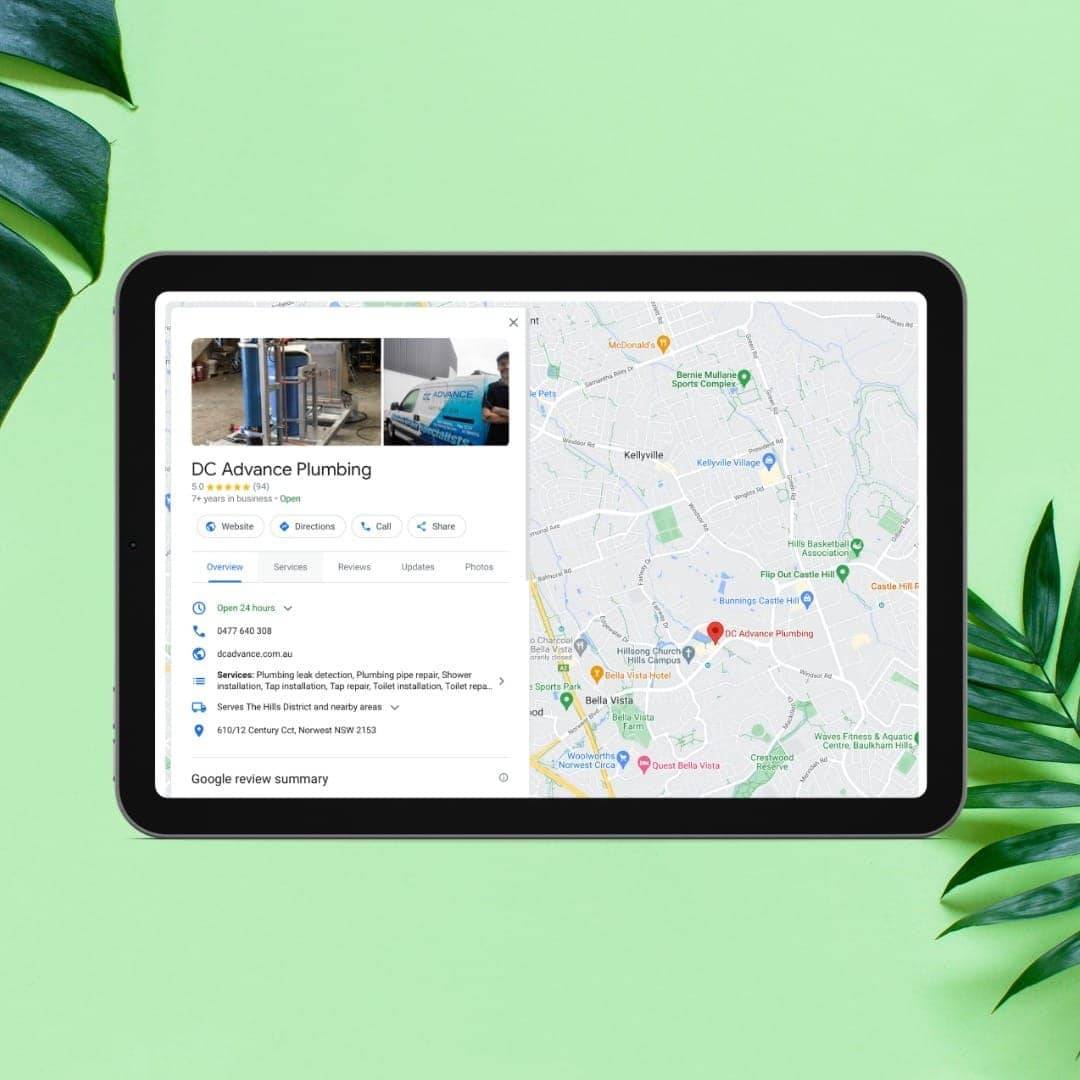
Online reviews can make or break a business, but they do not look after themselves. Review management is the ongoing practice of actively monitoring, encouraging, responding to and learning from the reviews customers leave about your business. Done well, it builds trust, improves your visibility and turns customer feedback into a genuine asset. Here is what review management actually involves and how to do it effectively, whether you handle it yourself or get help.
Review management is the systematic approach to handling your online reviews across the platforms where customers talk about you. Rather than leaving reviews to chance, it means actively keeping track of what is said, encouraging satisfied customers to share their experiences, responding thoughtfully, and using the insights to improve. It treats reviews as something to be managed deliberately, like any other important part of your business, rather than a passive stream you only notice when something goes wrong.
Reviews heavily influence whether customers choose you and how you rank in local search, so managing them well has a direct impact on your business. Active review management builds a stronger, more trustworthy presence, improves visibility, and helps you catch and address issues before they spread. Neglecting reviews, by contrast, means missing opportunities and letting problems fester unanswered. Because reviews carry such weight in modern buying decisions, managing them deliberately is well worth the modest effort it takes.
The foundation of review management is knowing what is being said. Regularly monitoring your reviews across the key platforms, especially your Google Business Profile, lets you stay aware of feedback and respond promptly. Monitoring ensures nothing slips through unnoticed, whether it is a glowing review worth acknowledging or a complaint needing attention. Staying on top of what customers are saying is the essential first step that makes every other part of review management possible.
A healthy review profile depends on a steady flow of genuine reviews, which usually means actively encouraging them. Many happy customers will leave a review if simply asked, so building a consistent habit of requesting feedback, and making it easy with a direct link, steadily grows your reviews. Encouraging reviews ethically, never faking or incentivising them, ensures your profile reflects real experiences. A reliable stream of authentic reviews keeps your business visibly active and trusted.
Responding to reviews is a core part of management. Thanking customers for positive reviews and addressing concerns in negative ones shows you are engaged and value feedback. Prospective customers read these responses and judge you by them, so thoughtful replies build trust. Responding promptly and professionally to every review demonstrates that real, attentive people stand behind your business, which reassures future customers and reinforces the positive impression your reviews create.
Negative reviews are part of business, and managing them well is crucial. Responding calmly, professionally and constructively can turn a negative into a demonstration of your integrity and care, and sometimes resolve the issue. Prospective customers judge how you handle criticism more than the criticism itself. Good review management means never ignoring or reacting defensively to negatives, but instead using them as an opportunity to show how seriously you take customer satisfaction.
Reviews are a valuable source of honest insight. Patterns in your feedback reveal what customers love and where you fall short, pointing to improvements that can strengthen your business. Good review management includes paying attention to these patterns and acting on them. Using reviews to genuinely improve creates a virtuous cycle: a better business earns better reviews, which attracts more customers. Treating feedback as guidance, not just marketing, makes review management a tool for real growth.
Part of managing reviews is putting them to work. Featuring genuine positive reviews on your website and marketing reinforces trust at the moment customers are deciding. Bringing your social proof in front of prospective customers, rather than leaving it only on review platforms, amplifies its impact. Showcasing authentic reviews turns the trust you have earned into a visible, persuasive asset that supports your sales, making the effort of gathering reviews pay off even further.
Not all review platforms matter equally for every business. For most local businesses, the Google Business Profile is the most important, given its influence on search and local decisions. Focusing your efforts where your customers actually look, rather than spreading thin across every platform, makes review management more effective. Identifying the platforms that matter most for your business ensures your energy goes where it will have the greatest impact on visibility and trust.
Review management can be done manually for a small business, or supported by tools and services that help monitor, request and manage reviews efficiently. As your review volume grows, such help can save time and ensure consistency. Whether you manage reviews yourself or get assistance, the important thing is that it happens reliably. Choosing an approach that fits your size and capacity ensures review management remains a sustainable, ongoing practice rather than an occasional scramble.
Common mistakes include never monitoring reviews, failing to ask for them, ignoring or reacting badly to negatives, faking reviews, and never using feedback to improve. Each undermines the value reviews could deliver. Avoiding these pitfalls, by monitoring consistently, encouraging genuine reviews, responding professionally and learning from feedback, turns review management into a powerful driver of trust, visibility and growth. Managed well, your reviews become one of your most valuable business assets.
Keep reading
Other pieces on the same sort of problem, written out of the work we do for Australian businesses.
Send us your website and we will come back with the specific things we would change and why, in plain English. No pitch deck, no obligation, and you keep the notes either way.
Rated 5.0 from 100+ Google reviews. No lock in contracts, ever.