

Benefits Of Keeping My Google Business Profile Up To Date
Setting up a Google Business Profile is only half the job. The profiles that actually drive enquiries are the ones kept current,…
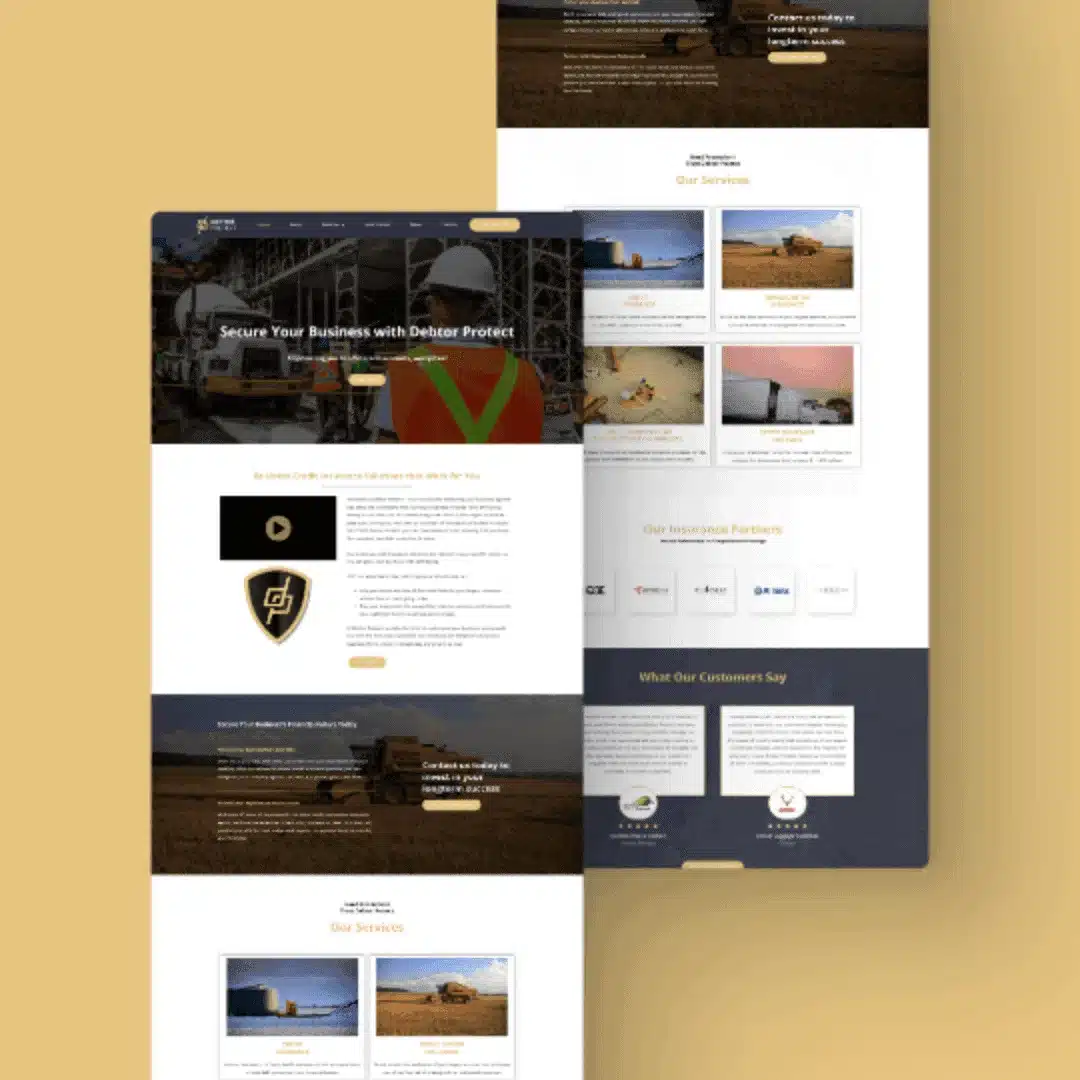
For lawyers, accountants, brokers and other professional service providers, clients are buying trust and expertise, and they assess both online before making contact. A professional, credible website reassures prospective clients that you are competent, established and worth engaging, while a dated or absent one raises doubt. In fields built on reputation, your website is a crucial first impression. Here is why professional service businesses need a strong website and what makes one effective.
Professional services are high-trust, high-stakes engagements, and clients research carefully before choosing who to engage. Your website is often the first place they form an impression of your competence and credibility. A polished, informative site reassures prospective clients that you are a serious, capable professional, while finding nothing or an outdated page undermines confidence. For lawyers, accountants and brokers, a strong website is essential to winning the trust that leads to valuable, ongoing client relationships.
In professional services, credibility is the product. Clear information about your qualifications, experience, areas of expertise and professional standing reassures clients that they are in capable hands. Displaying credentials, memberships and genuine testimonials builds the trust clients need before sharing sensitive matters or significant decisions. A website that visibly establishes your credibility addresses the central concern of every prospective client: whether they can trust you with something that matters to them.
People rarely engage a lawyer, accountant or broker on impulse; they research, compare and deliberate. Your website is where much of that research happens, as prospects assess your expertise, approach and fit. A clear, informative site that answers their questions moves them closer to choosing you. Without a strong online presence, you are absent during this crucial decision-making stage, leaving prospective clients to choose competitors whose websites engage them instead.
Professional services can be complex, so clear explanations matter. Describing your services and how you help, in plain language that clients understand, reassures them that you can address their needs. Avoiding jargon and clarifying what working with you involves helps prospects feel informed and confident. When clients can easily understand your services and see that you handle their specific situation, they are far more likely to make contact and become valuable, long-term clients.
Clients want an expert, so your website should demonstrate your knowledge. Sharing helpful content, insights or answers to common questions positions you as authoritative and trustworthy before any meeting. This expertise-led content reassures clients and can attract those researching their issues online. Demonstrating genuine authority through your website distinguishes you from competitors and gives prospective clients confidence that you have the knowledge and experience to handle their matter well.
When a prospect decides to act, the path to contacting you should be simple and reassuring. A clear phone number, a straightforward enquiry form, and an easy way to request a consultation remove friction at the decisive moment. Many clients prefer to make initial contact discreetly, so offering a simple, low-pressure way to reach out helps. Easy contact ensures the trust your website builds translates into the conversations that begin client relationships.
Professional services handle sensitive, confidential matters, and your website should reflect that care. Secure forms, clear handling of personal information, and a polished, professional presentation all reassure clients that their confidentiality and interests are respected. A website that visibly embodies professionalism and discretion builds the confidence clients need to share private matters. In fields where trust and confidentiality are paramount, these signals are not minor details but central to winning a client.
Many clients seek a professional nearby, so local visibility matters. Optimising your website and Google Business Profile for local search helps clients in your area find you when they search for your services. Appearing for these searches connects you with prospects actively seeking the expertise you offer. For professional service providers, being findable locally ensures the clients who want a trusted, accessible professional in their area can actually discover and choose you.
Professional services are competitive, and clients often compare several providers. A professional, distinctive website that clearly communicates your expertise, approach and what sets you apart helps you stand out. Rather than looking like every other firm, a well-crafted site gives prospective clients a clear reason to choose you. Differentiating yourself through a strong website is a genuine advantage in fields where clients have many qualified options to consider.
A professional services website must stay accurate and current, with up-to-date information about your services, team and credentials. Outdated information undermines the very credibility you depend on. Maintaining a polished, current site ensures it continues to reflect your professionalism and expertise. Treating your website as a living representation of your practice, rather than a one-off project, keeps it working to win the trust and clients that sustain a professional services business.
Common mistakes include weak credibility signals, unclear or jargon-heavy service descriptions, hard-to-find contact options, neglecting confidentiality reassurance, and letting information go out of date. Each can deter a cautious prospective client. Avoiding these pitfalls, by establishing credibility, explaining services clearly, making contact easy and maintaining a professional, current site, helps lawyers, accountants and brokers win the trust that leads to valuable client relationships. A strong website is a genuine asset in any professional practice.
Keep reading
Other pieces on the same sort of problem, written out of the work we do for Australian businesses.


Send us your website and we will come back with the specific things we would change and why, in plain English. No pitch deck, no obligation, and you keep the notes either way.
Rated 5.0 from 100+ Google reviews. No lock in contracts, ever.