
The Hidden Costs of a Cheap Website: How Cutting Corners Can Hurt Your Business
A cheap website is tempting, especially for a new or budget-conscious business. The upfront saving looks attractive, and the differences between a…

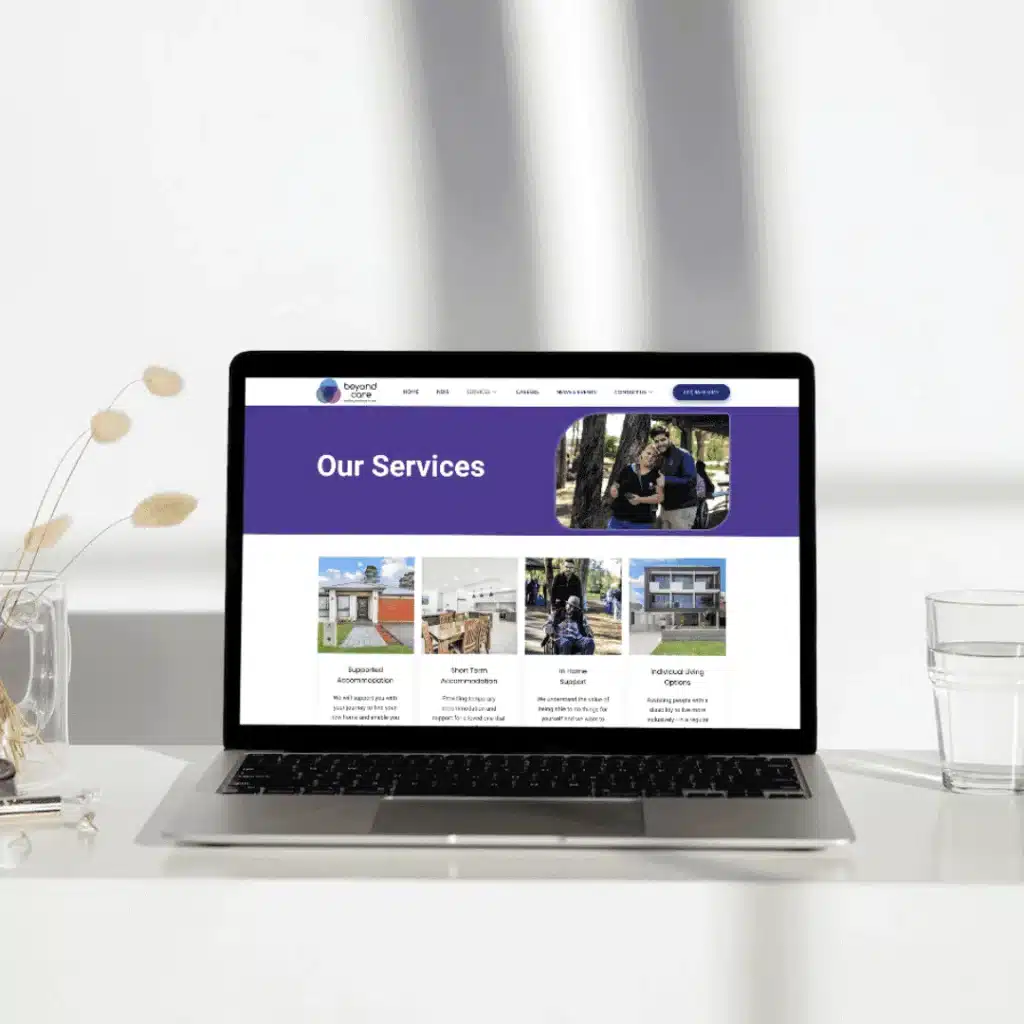
For non-profits and charities, a website is far more than an online brochure. It is where you communicate your mission, inspire support, collect donations, recruit volunteers and demonstrate the trust and transparency that supporters expect. With often limited budgets, every element has to work hard. A well-designed non-profit website turns visitors into donors and advocates, while a weak one lets that goodwill slip away. Here is what matters most in website design for non-profits and charities.
People research causes before they give, just as they research businesses before they buy. Your website is where potential supporters decide whether to trust you with their money and time. A professional, clear and compelling site reassures them that you are legitimate and effective, while a dated or confusing one raises doubt. For a non-profit, a strong website is essential infrastructure for fundraising, awareness and engagement, not a luxury to be deferred.
Visitors should understand your mission within seconds of arriving. Clearly explaining who you help, what you do and why it matters connects with supporters emotionally and rationally. Avoid jargon and vague statements; speak plainly about the difference you make. A clear, compelling articulation of your mission is the heart of a non-profit website, because it is what moves people from passive interest to active support and gives them a reason to care.
If donating is difficult, you lose donations, full stop. Your website should make giving effortless, with an obvious, prominent donate option and a simple, trustworthy donation process. Minimise the steps, offer clear giving options, and reassure donors their contribution is secure and will make a difference. Removing every barrier between a willing donor and a completed gift is one of the most important jobs of a charity website, directly affecting the funds you raise.
Facts inform, but stories move people to act. Sharing real stories of the people, communities or causes you help creates an emotional connection that statistics alone cannot. Genuine stories, with images where appropriate and consent, show the impact of support in human terms. A non-profit website that tells compelling, authentic stories inspires giving and engagement far more effectively than one that simply lists activities, because it lets supporters see and feel the difference they can make.
Many non-profits rely on volunteers, and your website is a key tool for recruiting and engaging them. Make it easy to find information about volunteering, what is involved and how to get started, with a simple way to express interest. Showing the value and experience of volunteering encourages people to step forward. A website that welcomes and supports volunteers helps build the committed community of helpers that many causes depend on to deliver their work.
Supporters want to know their contributions are used well, so trust and transparency are vital. Clearly sharing information about your work, your impact, and how funds are used reassures donors and builds credibility. Demonstrating accountability, through impact reports, clear information and genuine openness, strengthens supporter confidence. For a non-profit, a website that visibly embodies transparency helps overcome the natural caution people feel about giving and encourages deeper, ongoing support.
Non-profits serve diverse communities, and an accessible website ensures everyone can engage with your cause. Strong contrast, readable text, keyboard navigation and descriptive alternative text allow people with disability to use your site fully. Accessibility reflects the inclusive values most non-profits hold, and it widens your reach. Designing your website to be accessible to all is both the right thing to do and a practical way to ensure no supporter or beneficiary is excluded.
Most people will visit your website on a phone, often after seeing a campaign or hearing about your cause. A mobile-first design ensures donating, reading stories and getting involved all work seamlessly on a small screen. A site that is awkward on mobile loses supporters at the crucial moment of inspiration. Designing for mobile first captures the spontaneous support that often follows an emotional connection, when people are most ready to give or get involved.
With limited budgets, non-profits need websites that deliver value without excessive cost. Choosing a sensible, flexible platform and focusing on the essentials that drive donations and engagement keeps costs manageable. A well-planned site need not be expensive to be effective. Spending wisely on the elements that genuinely matter, and avoiding unnecessary complexity, ensures your website serves your cause well while respecting the resources that could otherwise go directly to your mission.
A non-profit website must stay current, with up-to-date campaigns, impact information, events and contact details. Outdated content undermines trust and misses opportunities, especially around time-sensitive appeals. Keeping your site maintained and current ensures supporters always see accurate, compelling information and that your website continues to represent your cause well. Treating it as a living part of your work, rather than a one-off project, keeps it effective in supporting your mission over time.
Common mistakes include unclear messaging, a hard-to-find or complicated donation process, neglecting mobile and accessibility, weak storytelling, and letting content go stale. Some non-profits also underinvest in the website despite its central role in fundraising. Avoiding these pitfalls, by communicating clearly, making donating easy, telling genuine stories and keeping the site accessible and current, ensures your website powerfully supports your cause rather than quietly holding it back.
Keep reading
Other pieces on the same sort of problem, written out of the work we do for Australian businesses.
Send us your website and we will come back with the specific things we would change and why, in plain English. No pitch deck, no obligation, and you keep the notes either way.
Rated 5.0 from 100+ Google reviews. No lock in contracts, ever.