
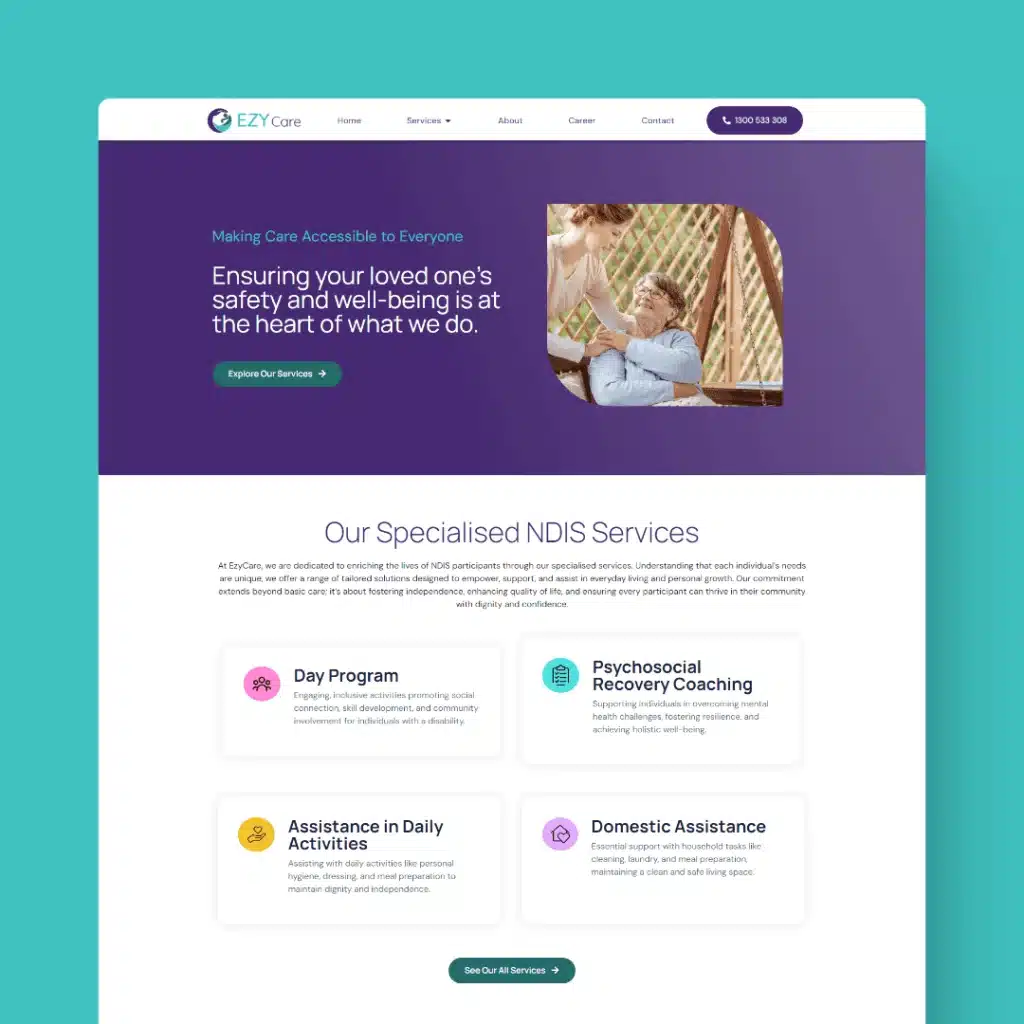
Disability Support Services Website Design
For disability support services, a website is far more than a marketing tool; it is a point of access for people who…
A website is not a build-it-and-forget-it project. The sites that keep delivering results are the ones that are regularly updated, while those left untouched slowly fall behind in relevance, performance and search rankings. Updating your website is how you keep it working hard for your business over time. Here is what updating your website for success actually involves, and how to approach it so your site stays effective, current and competitive.
An updated website performs better in every way that counts. It looks credible, reflects your current business, loads quickly, and ranks well, while an outdated one quietly erodes trust and visibility. Customers notice when a site feels stale, and search engines favour sites that are maintained and relevant. Keeping your website current is therefore not vanity; it is essential upkeep that protects the enquiries, credibility and search position you have worked to build.
Several signs indicate it is time for an update: a design that looks dated next to competitors, slow loading, poor mobile experience, content that no longer reflects your business, or a steady decline in enquiries. Outdated information, broken elements or a site that feels awkward to use are also clear flags. Recognising these signs early lets you update before the problems cost you customers, rather than waiting until your website is visibly holding the business back.
Content is often the first thing to date. Review your messaging to ensure it still reflects what you offer, who you serve and what makes you different. Update service descriptions, refresh tired copy, and make sure your value proposition is clear and current. Strong, up-to-date content keeps your site relevant to both visitors and search engines. Regularly refreshing your messaging ensures your website continues to speak accurately and persuasively to the customers you want to attract.
Design expectations evolve, and a look that felt modern a few years ago can start to feel dated. Updating your design, even modestly, keeps your site feeling current and professional. This does not always mean a full rebuild; refreshing colours, typography, imagery and layout can make a significant difference. A contemporary, polished look reinforces credibility and keeps your website aligned with the standards customers now expect from any business they consider.
Over time, websites tend to slow down as content grows and elements accumulate. Updating your site to improve speed, by optimising images, cleaning up code and ensuring good hosting, keeps visitors engaged and supports your rankings. Since slow pages cause people to leave, performance updates directly protect your enquiries. Treating speed as something to maintain and improve, rather than set once, keeps your website fast and competitive as it grows.
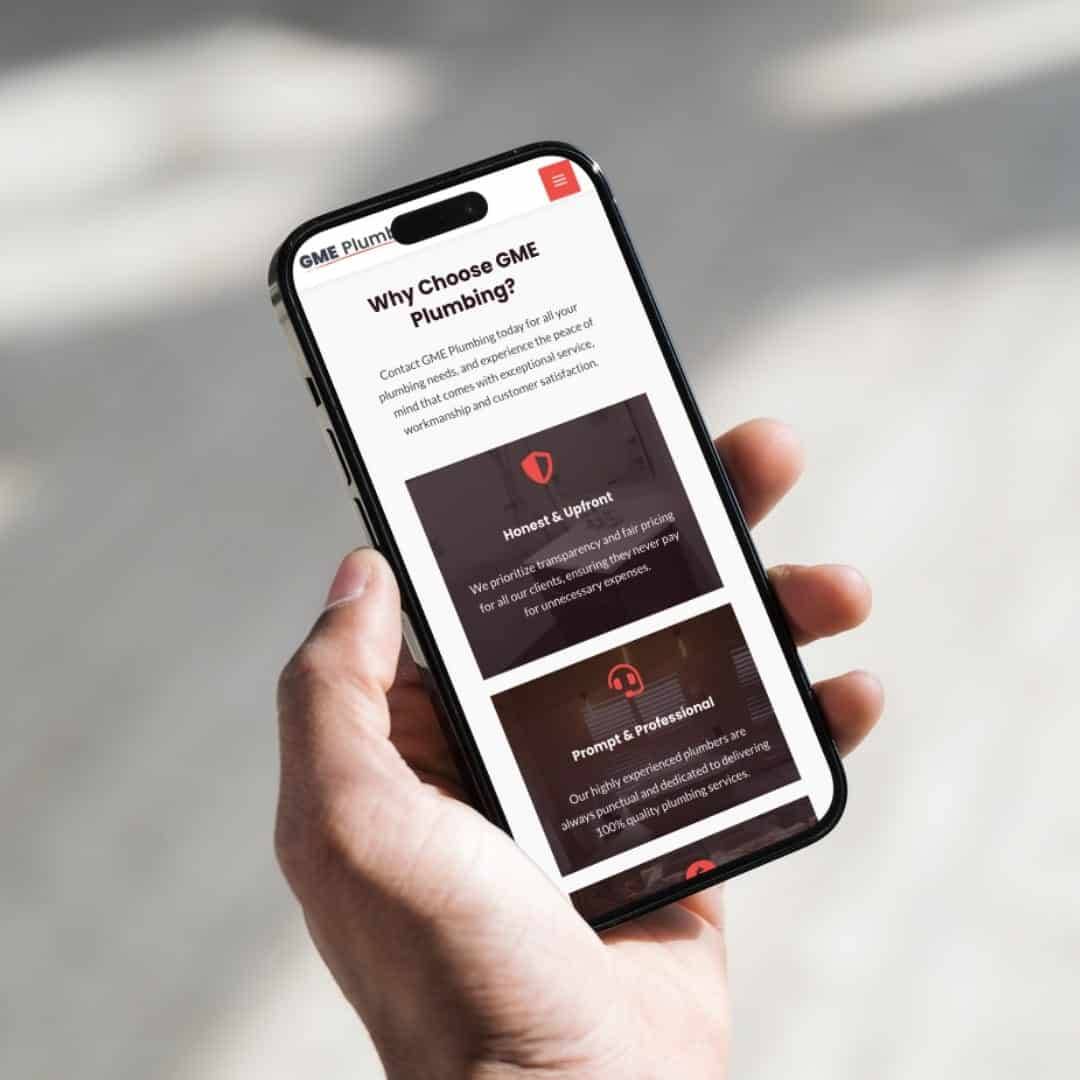
With most visitors on phones, the mobile experience deserves ongoing attention. Updating your site to ensure it looks and works beautifully on mobile, with readable text, easy tapping and simple forms, keeps the majority of your visitors happy. Mobile standards and devices change, so periodic updates keep your site performing well across them. A consistently strong mobile experience is essential to capturing the enquiries that would otherwise slip away on a small screen.
Search optimisation is not a one-time task. Updating your website to keep its structure, content and technical setup aligned with good SEO practice helps you maintain and improve your rankings. Refreshing content, fixing issues and targeting relevant terms keeps you visible as search evolves and competitors improve. Regular SEO updates ensure your website continues to be found, protecting the organic visibility that brings a steady stream of visitors at no cost per click.
An update is a good opportunity to sharpen how your site converts visitors. Review your calls to action to ensure they are clear, compelling and well-placed, guiding visitors toward enquiring or buying. Small improvements to how you prompt action can meaningfully increase the enquiries your existing traffic produces. Updating with conversion in mind ensures your website is not just current and fast, but genuinely better at turning visitors into customers.
Accurate information is fundamental. Updating your website means keeping contact details, hours, pricing, team information and services correct and current. Outdated information frustrates customers and erodes trust, and can cause missed opportunities. Making accuracy a regular part of your updates ensures visitors always get reliable information and that your site continues to represent your business correctly. This simple discipline quietly protects your credibility and the customer experience.
The most effective approach is to update steadily rather than letting your site drift and then facing a daunting overhaul. Building a habit of regular, smaller updates, to content, design, performance and information, keeps your website continuously current and effective. Planning these updates as an ongoing part of running your business prevents the gradual decline that catches many sites out. Steady maintenance keeps your website a reliable asset rather than a periodic emergency.
Common mistakes include updating only when something breaks, neglecting mobile and speed, letting content and information go stale, and overlooking SEO. Some businesses also do occasional dramatic overhauls instead of steady improvement, which is costlier and more disruptive. Avoiding these pitfalls, by updating regularly across content, design, performance and accuracy, keeps your website continuously effective and spares you the expense and lost ground of letting it fall badly behind.
Keep reading
Other pieces on the same sort of problem, written out of the work we do for Australian businesses.
Send us your website and we will come back with the specific things we would change and why, in plain English. No pitch deck, no obligation, and you keep the notes either way.
Rated 5.0 from 100+ Google reviews. No lock in contracts, ever.