
The Impact of Your Website Speed and How to Improve It
Website speed is one of those factors that quietly makes or breaks a site. Visitors abandon slow pages within seconds, and search…
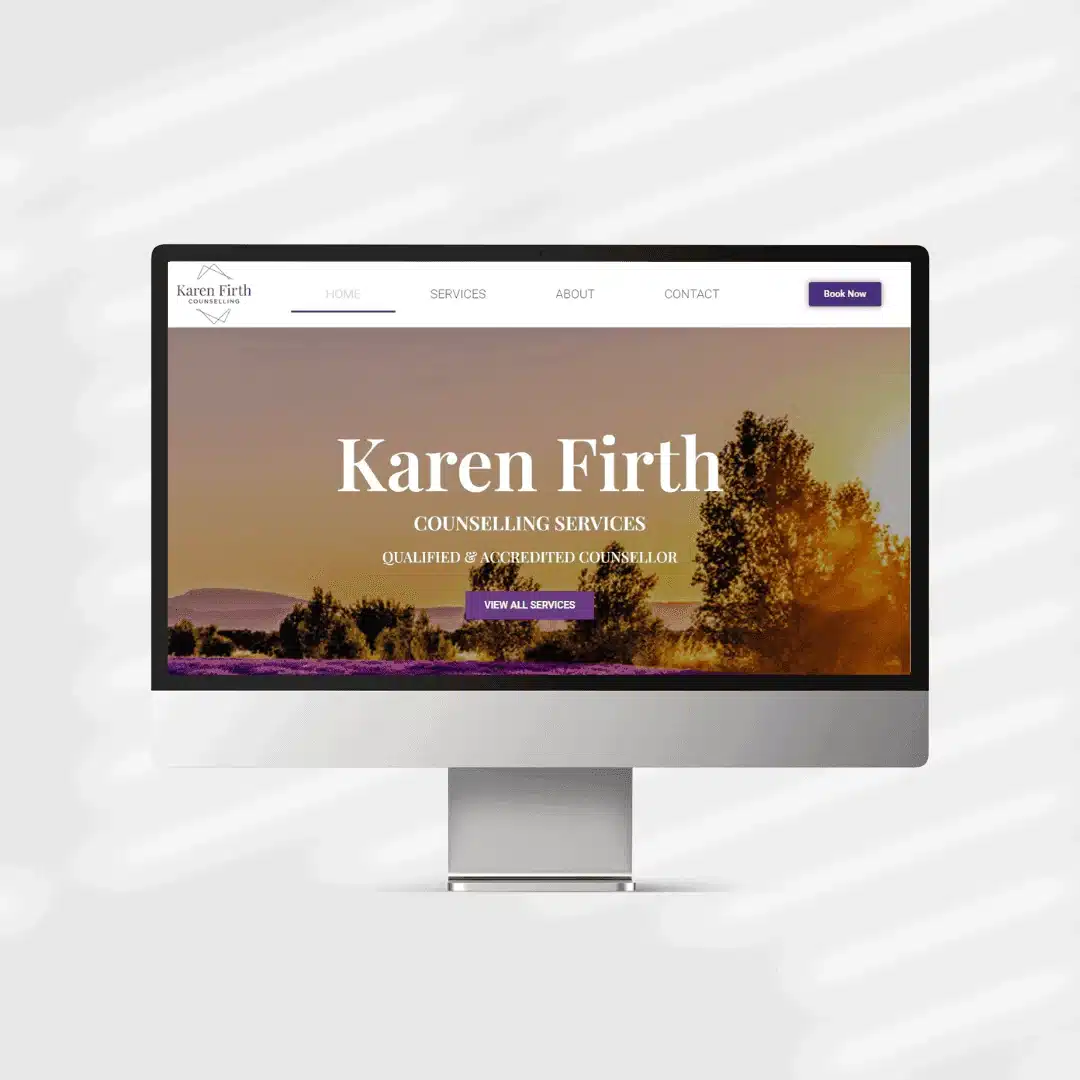
For counsellors and therapists, a website is a deeply personal first impression. Prospective clients often arrive feeling vulnerable, and your website needs to reassure them that they have found a safe, professional and understanding place to seek help. Good web design for counsellors is less about flashiness and more about warmth, trust and clarity. Here are practical web design tips to help counsellors create a website that genuinely connects with the people who need their support.
People seeking counselling almost always research online first, looking for someone they feel they can trust. Your website is where they decide whether to reach out, so it carries enormous weight. A professional, thoughtful site reassures anxious visitors that you are credible and approachable, while a dated or impersonal one can deter them at a fragile moment. For counsellors, a website is not a marketing afterthought; it is often the first step in a client’s journey toward help.
The look and feel of your website set the emotional tone before a word is read. Calm colours, plenty of space, gentle imagery and an uncluttered layout create a sense of safety and professionalism. Avoid anything jarring or overwhelming. A soothing, considered design reassures visitors who may already feel anxious, helping them feel comfortable enough to explore and reach out. For counselling, the atmosphere your website conveys is as important as the information it contains.
Trust is everything in counselling, and your website must earn it. Clear information about your qualifications, experience, approach and registrations reassures clients that they are in capable hands. A warm, genuine photo of you and a personal introduction help visitors feel they already know a little about you. Building visible credibility, honestly and warmly, helps prospective clients feel safe taking the significant step of contacting a counsellor they have never met.
Clients want to understand what working with you would be like. Explaining your approach, the issues you help with, and what to expect from sessions in plain, compassionate language helps them feel informed and reassured. Demystifying the process reduces the anxiety that can stop people from reaching out. Clear, gentle explanations of how you work help prospective clients picture themselves being helped, making them far more likely to take that first step and contact you.
When someone decides to seek help, the path to contacting you should be simple and reassuring. A clear, easy way to book or enquire, whether a phone number, a simple form or online booking, removes friction at a delicate moment. Many people find it easier to reach out without a phone call, so offering a gentle, low-pressure way to make contact can capture clients who might otherwise hesitate. Easy contact respects how vulnerable that first step can feel.
Confidentiality is central to counselling, and your website should reflect that care. Use secure forms, be clear about how you handle personal information, and reassure visitors that their privacy is protected. A visible commitment to confidentiality builds the trust that clients need to share sensitive concerns. Demonstrating that you take privacy seriously, both in your words and in how your site handles information, reassures prospective clients that their confidentiality will be respected from the very first contact.
An accessible website ensures everyone, including people with disability, can engage with your service. Strong contrast, readable text, keyboard navigation and clear structure allow all visitors to use your site comfortably. Accessibility reflects the inclusive, caring values at the heart of counselling and ensures no one is excluded from seeking help. Designing your website to be accessible to all is both an ethical priority and a practical way to reach everyone who might benefit from your support.
Many clients look for a counsellor near them, so local visibility matters. Optimising your website and Google Business Profile for local search helps people in your area find you when they search for support. Appearing for these searches connects you with clients seeking help nearby. For counsellors, being findable locally is a quiet but important way to ensure the people who need your support, and would prefer someone close, can actually discover your practice.
Thoughtful content can both help visitors and build trust. Gentle, informative articles about common concerns, what counselling involves, or coping with difficulties can reassure prospective clients and demonstrate your understanding. Such content should always be sensitive and supportive in tone. Sharing helpful information positions you as knowledgeable and caring, and can reach people researching their struggles, gently guiding them toward the support you offer when they feel ready to reach out.
Many people will visit your website on a phone, sometimes in a moment of distress. A mobile-friendly, fast-loading site ensures they can easily read your information and reach out without frustration. A slow or awkward mobile experience can deter someone at a vulnerable moment. Ensuring your website works smoothly and quickly on a phone respects your visitors’ circumstances and makes it as easy as possible for them to take the step of seeking help.
Common mistakes include cold or clinical design, vague information about your approach, hard-to-find contact options, neglecting privacy reassurance, and overlooking mobile and accessibility. Each can deter someone at a sensitive moment. Avoiding these pitfalls, by creating a warm, reassuring, clear and accessible website that makes contact easy and respects confidentiality, helps counsellors connect with the clients who need them. A thoughtful website becomes a genuine first step in helping people feel safe enough to seek support.
Keep reading
Other pieces on the same sort of problem, written out of the work we do for Australian businesses.
Send us your website and we will come back with the specific things we would change and why, in plain English. No pitch deck, no obligation, and you keep the notes either way.
Rated 5.0 from 100+ Google reviews. No lock in contracts, ever.