

Why Your Business Needs a Website in 2022
It can be tempting to think a social media page or a listing is enough, but for almost every business a proper…
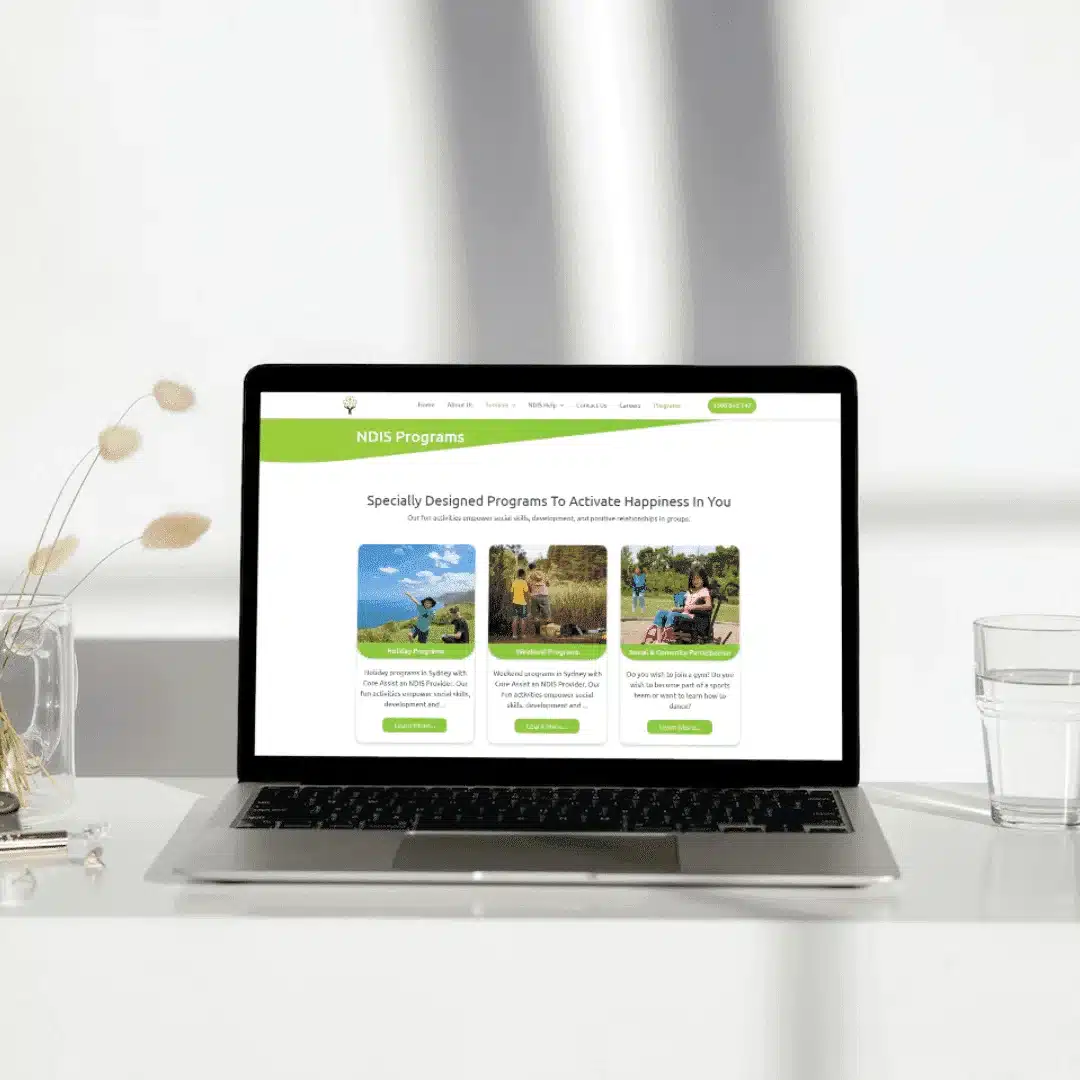
Most businesses know roughly what they want from a website, yet many end up with a site that disappoints because the project was never properly planned. Your dream website, one that looks great, works beautifully and brings in business, is absolutely achievable, but it starts with clarity rather than just picking a design. Here is a practical guide to planning the website your business deserves, so the result lives up to what you imagined.
A dream website is not simply a beautiful one; it is a website that achieves what you need it to. The best sites combine an appealing, professional look with genuine effectiveness: they attract the right visitors, communicate clearly and turn interest into enquiries. Defining your dream website in terms of results, not just appearance, sets you up for a site that delights you long after launch because it actually works, rather than one that merely looks nice but underdelivers.
Every successful website project begins with clear goals. Before thinking about design, decide what you want your website to achieve, whether that is more enquiries, sales, bookings or awareness. These goals shape every decision that follows, from structure to content to features. Without clear goals, a website project drifts and the result rarely satisfies. With them, every choice has a purpose, and you can judge the finished site against what it was actually meant to accomplish.
A great website is built for its audience, not its owner. Understanding who you are trying to reach, what they need and how they make decisions lets you design a site that genuinely connects with them. Consider their questions, their concerns and the language they use. Planning around your real audience ensures your website speaks to the people you want to attract, which is far more effective than building around your own preferences or assumptions.
Content and structure are the backbone of a good website, yet they are often left as an afterthought. Plan the pages you need, how they connect, and what each should say before worrying about visuals. Clear, well-organised content helps visitors find what they need and helps search engines understand your site. Investing time in planning your structure and messaging upfront produces a website that is easy to navigate and genuinely useful, rather than a pretty shell with little substance.
Design should reflect your brand and appeal to your audience while supporting your goals. A professional, distinctive look builds credibility and helps you stand out, but design must serve function, not overwhelm it. The best design guides visitors smoothly toward action while conveying your personality and standards. Planning a design that is both attractive and purposeful ensures your website makes a strong impression and works effectively, rather than looking impressive but confusing visitors.
Your dream website must work brilliantly on a phone and load quickly, because most visitors arrive on mobile and abandon slow sites. Planning for mobile-first design and strong performance from the outset ensures the majority of your visitors get a great experience. Treating speed and mobile as priorities rather than afterthoughts is essential, since even a beautiful site fails if it is slow or awkward on the devices people actually use.
Think about the functionality your website needs to support your goals, whether that is enquiry forms, online booking, ecommerce or integrations with other tools. Planning these features in advance ensures your site is built to do what you need rather than requiring costly additions later. Being clear about required functionality from the start helps you choose the right approach and platform, so your dream website does the practical work your business depends on.
A beautiful website that no one can find is a missed opportunity, so plan for search visibility from the beginning. Building sound SEO foundations into your site, clear structure, relevant content and good performance, helps you rank for the searches that matter. Planning for findability ensures your dream website attracts a steady stream of relevant visitors, rather than relying solely on people who already know your business to ever see it.
Ultimately, your website should turn visitors into customers, so plan how it will guide people toward action. Clear calls to action, an easy path to enquire or buy, and reassuring trust signals all help convert interest into business. Designing with conversion in mind ensures your website does not just attract and inform visitors but actively moves them to take the next step, which is what separates a dream website from a merely attractive one.
How you build your website matters as much as the plan. Decide whether to build it yourself or work with a professional, based on your goals, time and the importance of the site. For a website that genuinely needs to perform, professional help usually delivers a better result. Choosing the right approach and, if relevant, the right partner ensures your careful planning translates into a finished website that truly lives up to what you envisioned.
Common mistakes include starting with design before goals, neglecting content and structure, ignoring mobile and speed, forgetting SEO and conversions, and rushing the process. These oversights lead to websites that disappoint despite good intentions. Avoiding them, by planning around clear goals, your audience, solid content, performance and conversion, gives your project the foundation it needs. Thoughtful planning is what turns the idea of a dream website into a finished site that genuinely delivers.
Keep reading
Other pieces on the same sort of problem, written out of the work we do for Australian businesses.


Send us your website and we will come back with the specific things we would change and why, in plain English. No pitch deck, no obligation, and you keep the notes either way.
Rated 5.0 from 100+ Google reviews. No lock in contracts, ever.