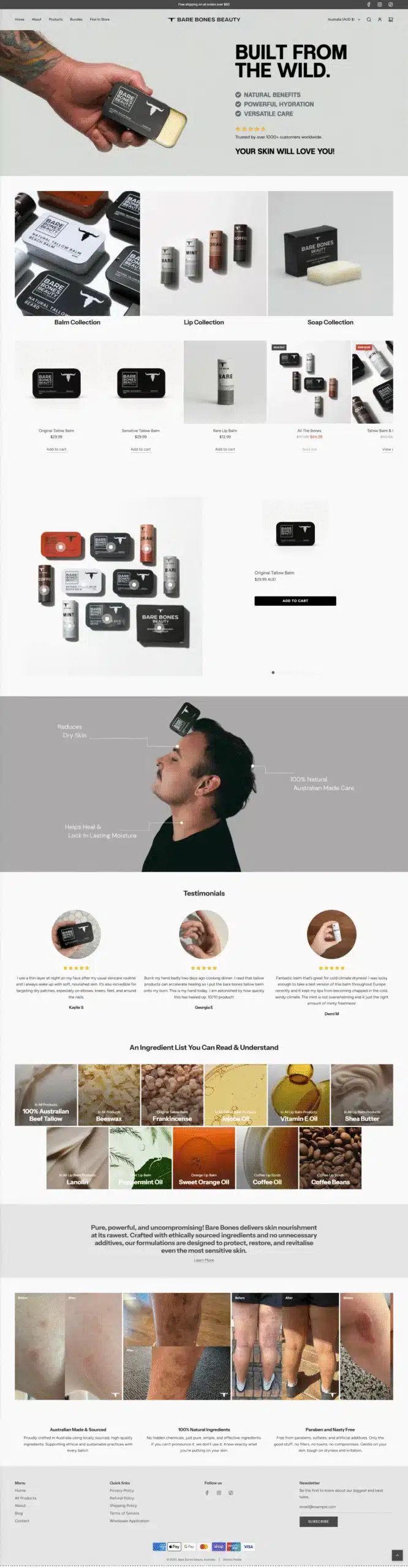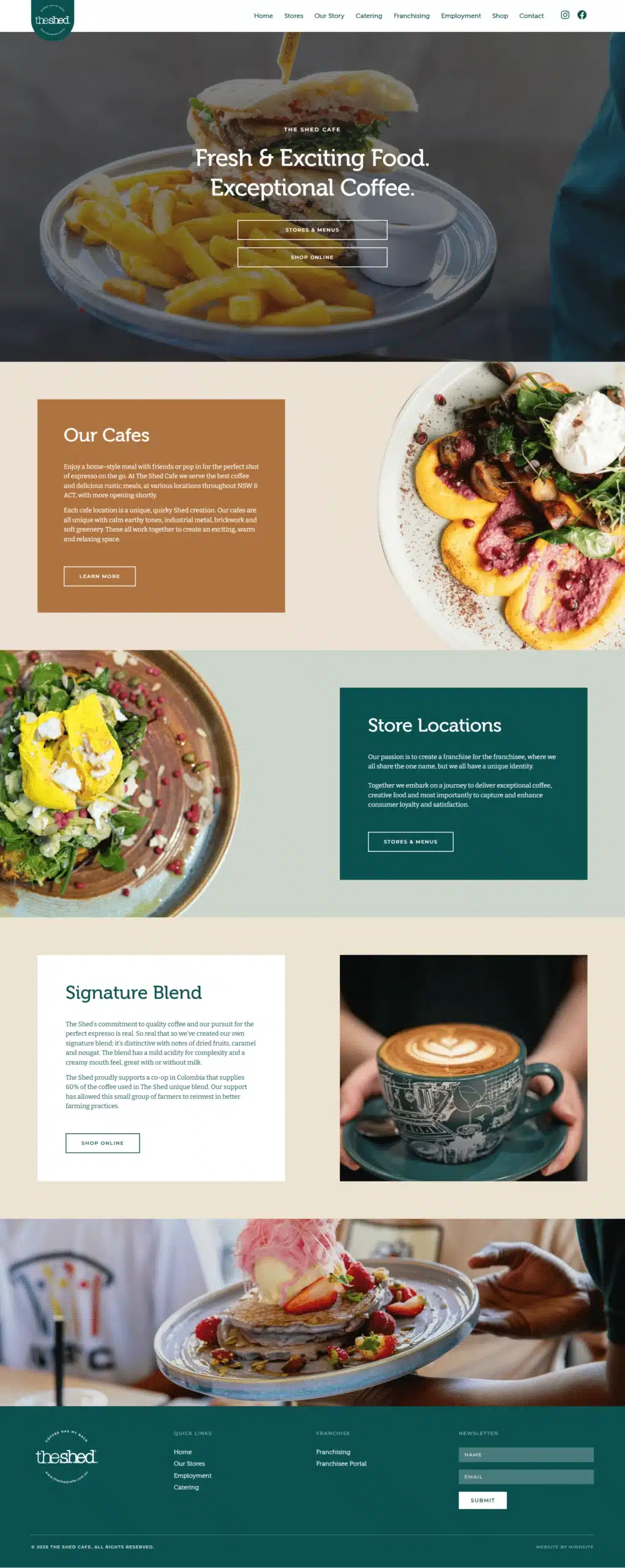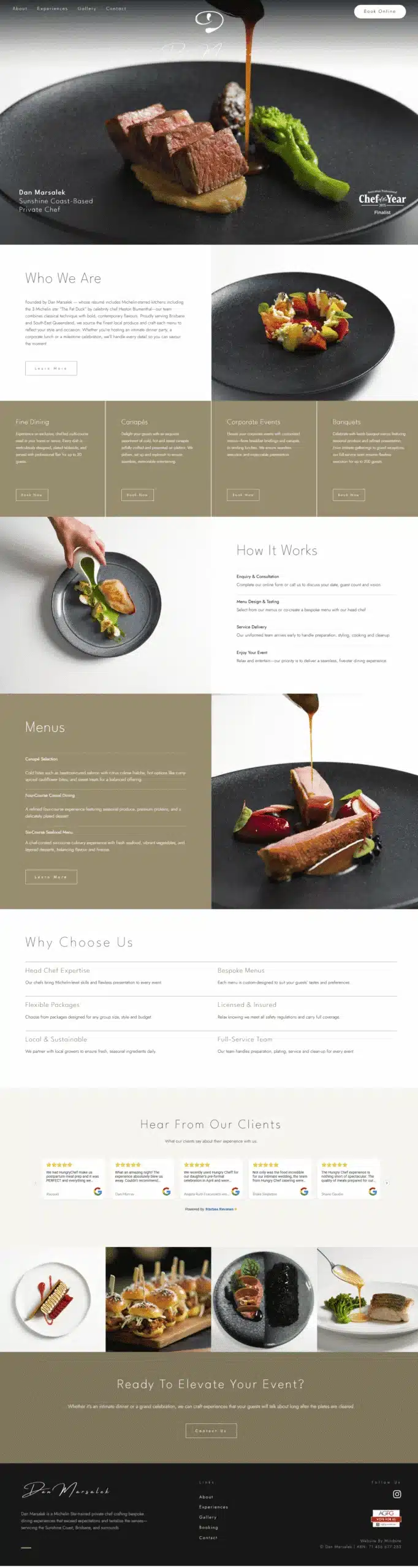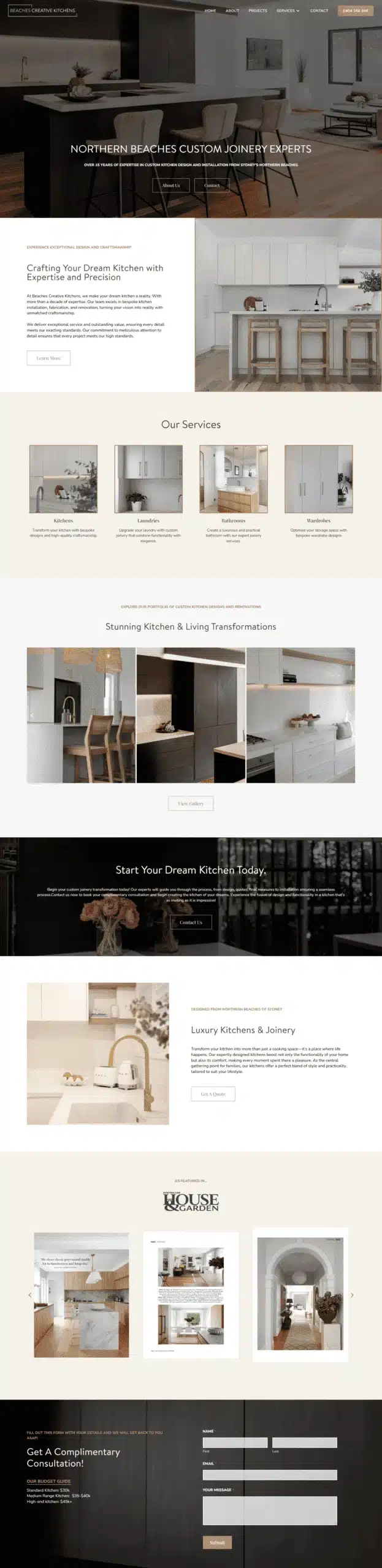

Product pages that convert
Homepage and product page patterns proven to sell: clear imagery, honest detail, visible pricing and an obvious next step.
Why choose us
We plan, design and launch a high performing ecommerce website tailored to your brand, products and customers. No off the shelf templates or site builders. Ideal for retailers and wholesalers ready to grow an online store that is fast, secure and designed for sales.
Successful ecommerce starts with understanding your customer journey. We map the stages from discovery to repeat purchase, prioritising site navigation, on page clarity and persuasive messaging. Every choice, from button copy to payment options, supports a smooth checkout.
Get started →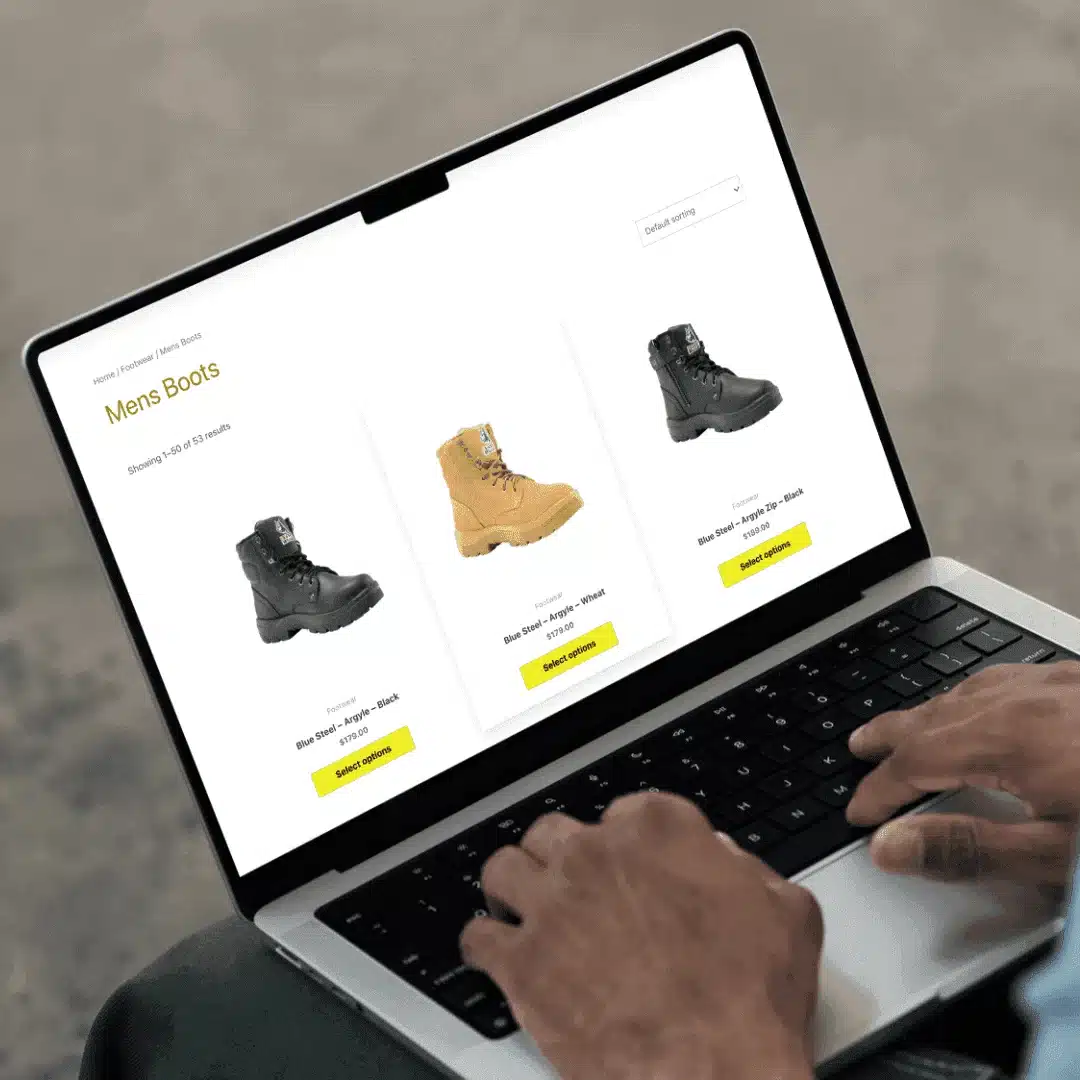
Built on WordPress and WooCommerce
Flexible, reliable and scalable, with no licence lock in and full ownership of your store.
Stripe, PayPal and Afterpay
Payment gateways, shipping zones and tax rules configured to match how you actually trade.
Migration from your current platform
We can enhance your existing setup or plan a phased migration without losing traffic or data.
Looked after after launch
Updates, security and support from the same team, so your store keeps running smoothly.
What you get
Everything a store needs to take orders reliably and keep customers coming back, handled by one team from discovery through to launch and beyond.
Homepage and product page patterns proven to sell: clear imagery, honest detail, visible pricing and an obvious next step.

We build confidence where it matters most. Fewer fields, clear shipping costs and trusted payment options at the point of purchase.

Information architecture that takes people from discovery to checkout without dead ends, guesswork or endless scrolling.

Stripe, PayPal, Afterpay, shipping zones and more, set up to fit your operations rather than forcing you to change them.

Category and product pages structured so Google can crawl and rank them, with speed and schema built in from day one.

Updates, backups, monitoring and compliance handled so your store stays open and your customer data stays safe.
Our process
From first conversation to a store that keeps growing, you will always know what is happening and what comes next.
We map your catalogue, customers and operations, then plan the store structure around how people actually buy from you.
Your store is designed around your brand and products, not squeezed into a stock theme that every other retailer is running.
We build on WordPress and WooCommerce, wiring up payments, shipping and tax so everything works the way you trade.
We test properly, launch carefully and stay on hand afterwards. Ongoing maintenance keeps the store updated and secure.
Product and category pages are built to be found, so your store can earn organic traffic rather than relying on ads alone.
As your range and order volume grow, we extend the store with you rather than forcing a rebuild every couple of years.
Selected work
Every site below was designed, built and is still looked after by us. Hover over one to scroll through the page.
Our difference
Plenty of agencies will stand up a store. Here is what working with MindSite actually looks like by comparison.
What you get
With MindSite
Typical agency
Platform
WordPress and WooCommerce, owned outright by you
A closed platform with monthly licence fees
The store design
Designed around your products and your customers
An off the shelf theme with your logo dropped in
Payments and shipping
Configured to match how you already trade
Default settings you are expected to work around
Search visibility
Product and category SEO built in from day one
Added later as a separate paid project
Moving your existing store
Phased migration that protects traffic and data
A hard cutover and hope for the best
After launch
Updates, security and support from the same team
Silence until the next invoice
Platform guidance
We will tell you honestly whether your current platform is worth keeping. Sometimes the answer is to improve what you have rather than start again.
If your existing setup is working and your team knows it, we can enhance and extend it rather than pushing a rebuild you do not need. We optimise what is there, fix what is holding it back and add the functionality you are missing, without sacrificing quality.
When licence costs, performance or restrictions start holding you back, we plan a phased migration to WordPress and WooCommerce. Products, customers and content come across in a controlled sequence designed to protect your existing traffic and rankings.
We will always recommend the right foundation for your business, whether that means staying where you are or moving to something you own outright.
Under the hood
Selling online is won in the small decisions. This is the work that sits behind a store that performs.
We use proven layout patterns rather than guesswork. Product imagery that shows what people need to see, specifications where buyers look for them, pricing and availability stated plainly, and a single obvious action on every screen.
Category pages are structured so people can filter and compare quickly, which is what separates a store people browse from a store people buy from.
Most abandoned carts are caused by uncertainty rather than price. We remove unnecessary fields, surface shipping costs early, and put recognisable payment options in front of people at the moment they decide.
Stripe, PayPal and Afterpay are configured alongside your shipping zones and tax rules, so what the customer sees matches what you actually charge.
We map the journey from discovery to repeat purchase and build navigation around it. Clear paths, sensible category naming and internal linking that helps both customers and search engines understand your range.
Content, imagery and brand storytelling then give people a reason to choose you over the cheapest result they can find.
A slow store costs sales before anyone reaches the cart. We build lean, optimise imagery and keep pages fast on mobile connections, alongside accessibility and UX best practice.
Security, compliance and reliability are handled on an ongoing basis, because a store that is down or compromised is not just an inconvenience, it is lost revenue.
Send us your current store and we will tell you honestly whether it is worth migrating, improving or leaving alone. No pressure either way.
Reviews
Real reviews from business owners across Sydney and Australia wide. Every one of them is verified and public, read as many as you like.
★★★★★
from 100+ verified Google reviews
Straight answers
The questions retailers ask us most often before starting a new store.
WordPress and WooCommerce. It is flexible, reliable and scalable, and it means you own your store outright rather than renting it through monthly platform licence fees.
Yes. We can enhance your existing setup or plan a phased migration. If you prefer staying with familiar tools, we will optimise and extend them without sacrificing quality.
Yes. We can set up Stripe, PayPal, Afterpay, shipping zones and more, configured to match the way your business already trades.
Timelines vary by catalogue size and integrations. We will provide a plan after discovery, then keep you informed at each milestone so you always know where the project is up to.
We recommend it. Maintenance keeps your store updated, secure and running smoothly, which matters more for ecommerce than for a standard site because downtime directly costs you orders.
Product and category pages are optimised for search engines as part of the build, with clean structure, schema and fast load times. If you want to compete harder for commercial terms, we also run ongoing SEO and Google Ads.
Three quick steps, under a minute. We come back to you with straight answers, clear pricing and a plan you can keep whether you go ahead or not.
Send us your store and we will walk through the product pages and checkout, then tell you the three changes most likely to lift orders. Yours to keep whether you work with us or not.
Rated 5.0 from 100+ Google reviews. No lock in contracts, ever.