
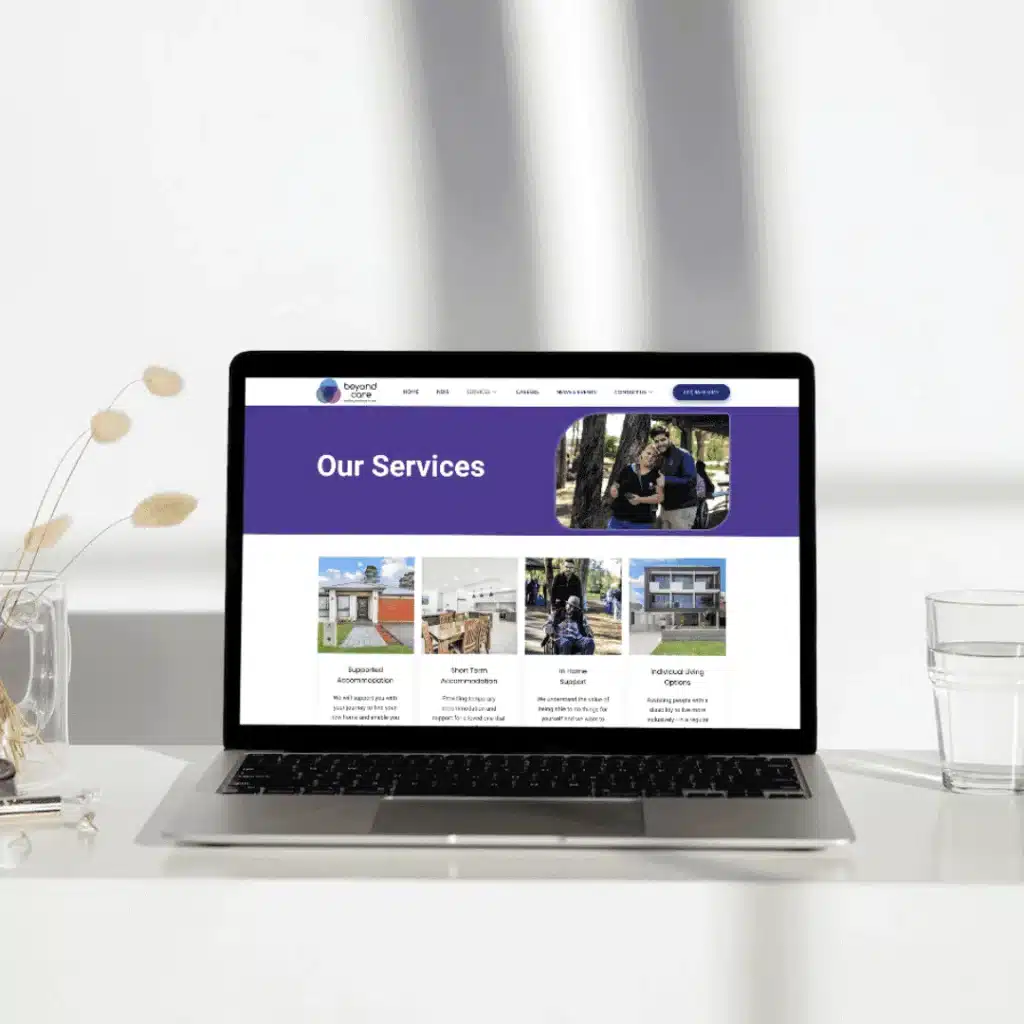
NDIS Website Designer in Sydney: What to Look For
Choosing the right NDIS website designer can be the difference between a website that quietly sits online and one that actively wins…
NDIS email marketing is one of the most cost-effective ways for providers to stay connected with participants, families and support coordinators. Unlike social media, email reaches people directly, and when it is helpful and respectful, it keeps you front of mind for the next referral. At MindSite Web Services, we help Sydney NDIS providers set up email that informs rather than pesters.
Email is permission-based, personal and inexpensive. For NDIS providers it is especially valuable because:
The best NDIS emails are useful and human. Good content includes:
Avoid pressure tactics, jargon and anything that feels like a hard sell. Your audience includes vulnerable people, so tone and accessibility matter as much as the message, the same principles that guide all good NDIS marketing.
Never buy lists. Build yours with genuine opt-ins:
A smaller list of people who genuinely want to hear from you will always outperform a large, cold one.
The same inclusivity that defines a good NDIS website applies to email. Use clear fonts, strong contrast, descriptive links and plain language, and avoid burying your message in images. This ensures participants using assistive technology can read and act on your emails, and it is simply good practice for the audience you serve.
Email and your website work best together. Your emails should link to clear, accessible pages where people can learn more or get in touch, and your website should make it easy to join your list. If your site is not set up to capture and nurture enquiries, email has nowhere to send people. See how we help NDIS providers turn their website into an enquiry engine.
As a Sydney web design and digital team, we can set up your sign-up forms, connect a simple email platform, and help you plan a sustainable sending rhythm, so email becomes a steady source of trust and referrals rather than another job you never get to.
Email is powerful, but a few avoidable mistakes can undo the trust you are trying to build. Watch for these:
The fix is simple: send less, but make it more useful. Focus each email on genuinely helping participants, families and coordinators, write in plain language, and make every message accessible. A small, engaged list of people who chose to hear from you will always outperform a large, cold one. Keep your sending rhythm steady and predictable, and treat every email as a chance to be helpful rather than to sell. Done this way, email quietly becomes one of your most reliable sources of trust and referrals over time.
If you are not sure what to actually send, the good news is that the most effective NDIS emails are also the simplest. The goal is never to sell hard. It is to be genuinely helpful, stay in touch, and build the kind of trust that leads participants and coordinators to think of you first. A reliable starting point is a short welcome message to anyone new on your list, explaining who you are, the supports you offer and how to reach you if they have questions.
From there, a gentle monthly update works well for most providers. You might share a plain-language explanation of a support or service people often ask about, a quick update on availability or a new team member, a participant story shared with full consent, or a helpful reminder tied to the NDIS calendar such as plan review periods. Keep each email focused on one clear idea, write the way you would speak to someone in person, and always make it easy to reply or get in touch. Accessibility matters here too, so use clear fonts, good contrast and descriptive links rather than vague phrases. Over time, this steady, respectful contact keeps you visible and trusted without ever feeling pushy. Participants and coordinators come to see your emails as useful rather than promotional, and when they or someone they support needs the services you offer, you are the name that comes to mind first.
Quality beats frequency. Monthly is a comfortable starting point for most providers, enough to stay visible without overwhelming your audience.
No. Affordable, easy-to-use platforms cover everything most providers need, including consent management and unsubscribe handling.
Yes, when you use genuine opt-ins, store data responsibly and include an unsubscribe option in every email, in line with the Spam Act and privacy obligations.
For NDIS email marketing that builds trust and referrals, contact MindSite Web Services or call 02 9161 1696. We will help you set it up properly from the start.
Keep reading
Other pieces on the same sort of problem, written out of the work we do for Australian businesses.

Send us your website and we will come back with the specific things we would change and why, in plain English. No pitch deck, no obligation, and you keep the notes either way.
Rated 5.0 from 100+ Google reviews. No lock in contracts, ever.