
NDIS Marketing: A Practical Guide for Providers
Strong NDIS marketing is how good providers stay visible, build trust and keep a healthy flow of participant enquiries. With more providers…
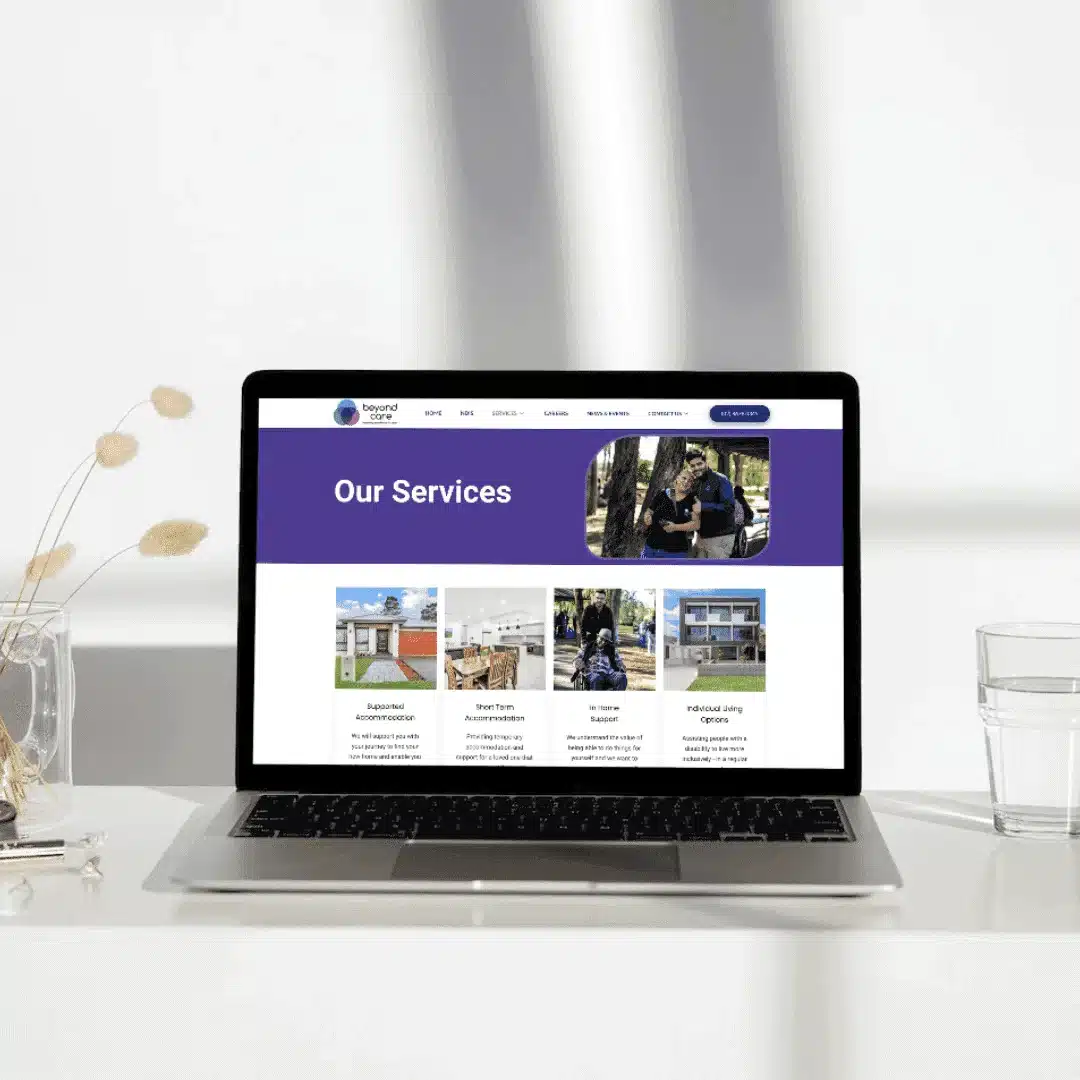
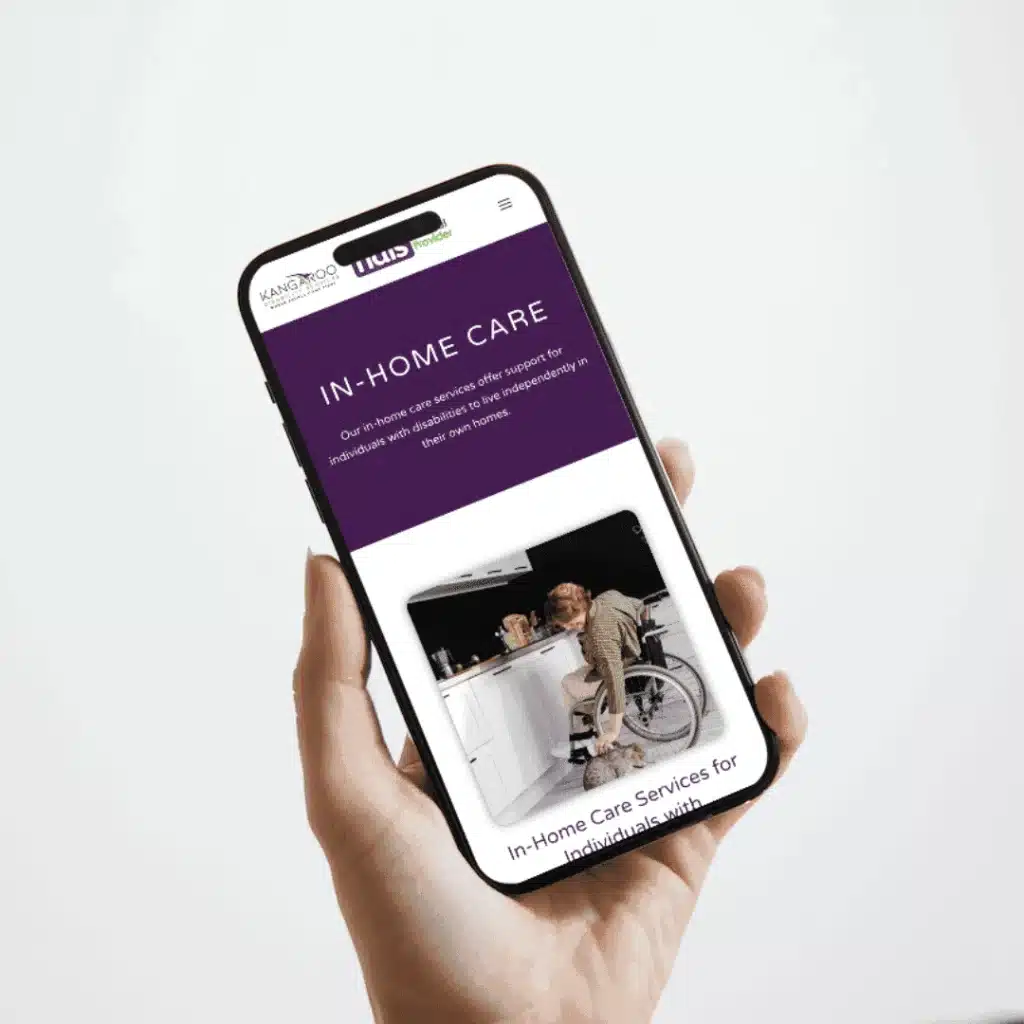
Choosing the right NDIS website designer can be the difference between a website that quietly sits online and one that actively wins enquiries, reassures support coordinators, and grows your services. At MindSite Web Services, we design websites specifically for NDIS providers across Sydney and Australia, so we understand the accessibility standards, compliance language and trust signals your audience expects.
An NDIS website designer is a web specialist who builds sites for National Disability Insurance Scheme providers. Unlike a generalist, they design around the people who actually use your site, participants, families, carers and support coordinators, many of whom rely on assistive technology. That means accessible layouts, plain-English service descriptions, clear calls to make contact, and a structure that helps coordinators quickly confirm you are the right fit.
A specialist also understands how NDIS participants find providers: local Google searches, referrals and provider directories. They build your site to perform in those channels rather than just look attractive.
Disability services carry expectations that a standard small-business site rarely meets. A specialist NDIS website designer brings:
Before you commit, ask a prospective designer these questions:
The best answers are specific and demonstrable. If a designer cannot speak to accessibility or local search, they are probably not the right partner for an NDIS provider.
When we plan an NDIS site, we make sure it covers the essentials that participants and coordinators look for:
For a deeper look at the build itself, see our NDIS website design service, and our guide to inclusive, accessible NDIS websites.
As a Sydney-based web design team, we start by understanding your participants and the supports you offer, then design a site that is accessible, easy to navigate and built to convert. We write plain-English copy, structure each service clearly, and optimise the site so it loads fast and ranks for the searches your future participants are already making. Because we also handle hosting, security and updates, your site keeps performing long after launch.
Even well-meaning providers fall into the same traps. Watching for these saves time, money and lost enquiries:
A specialist NDIS website designer steers you clear of all of these from the outset, so your site works hard for your service from day one rather than needing a rebuild a year later.
A good NDIS website does not happen by accident. It comes from a clear, collaborative process that keeps participants and families at the centre. The first stage is discovery. We take time to understand who you support, the outcomes you help people achieve, the supports you are registered or able to deliver, and the questions participants and coordinators ask most often. This shapes every decision that follows, because a site built around real needs always outperforms one built around guesswork.
Next comes structure and content. We map out the pages your visitors actually need, write service descriptions in plain, respectful language, and make sure the path to enquiring or referring is obvious from anywhere on the site. Then we design, with accessibility built in from the start rather than bolted on at the end. That means strong contrast, readable text, keyboard-friendly navigation and a layout that works beautifully on a phone, where most of your visitors will be. Before launch, we test thoroughly, checking the site on different devices, confirming forms work and arrive reliably, and reviewing speed and accessibility. After launch, the work is not over. We help you keep the site current, add new services as you grow, and refine based on what the data tells you about how people are using it. This steady, considered process is what turns a website from a one-off expense into a long-term asset that quietly brings the right participants to your door.
Cost depends on the number of services, pages and features you need. A focused, professional NDIS site is an investment that pays for itself through new enquiries, and we are transparent about pricing from the first conversation.
Yes. Many of your visitors live with disability, so meeting WCAG 2.1 accessibility standards is both the right thing to do and a practical way to reach more participants.
Absolutely. We regularly rebuild dated or hard-to-use NDIS sites, keeping what works and fixing accessibility, speed and enquiry flow.
If you want a website that genuinely supports your participants and grows your services, talk to a designer who understands the NDIS. Contact MindSite Web Services or call 02 9161 1696 for a no-obligation chat about your project.
Keep reading
Other pieces on the same sort of problem, written out of the work we do for Australian businesses.


Send us your website and we will come back with the specific things we would change and why, in plain English. No pitch deck, no obligation, and you keep the notes either way.
Rated 5.0 from 100+ Google reviews. No lock in contracts, ever.